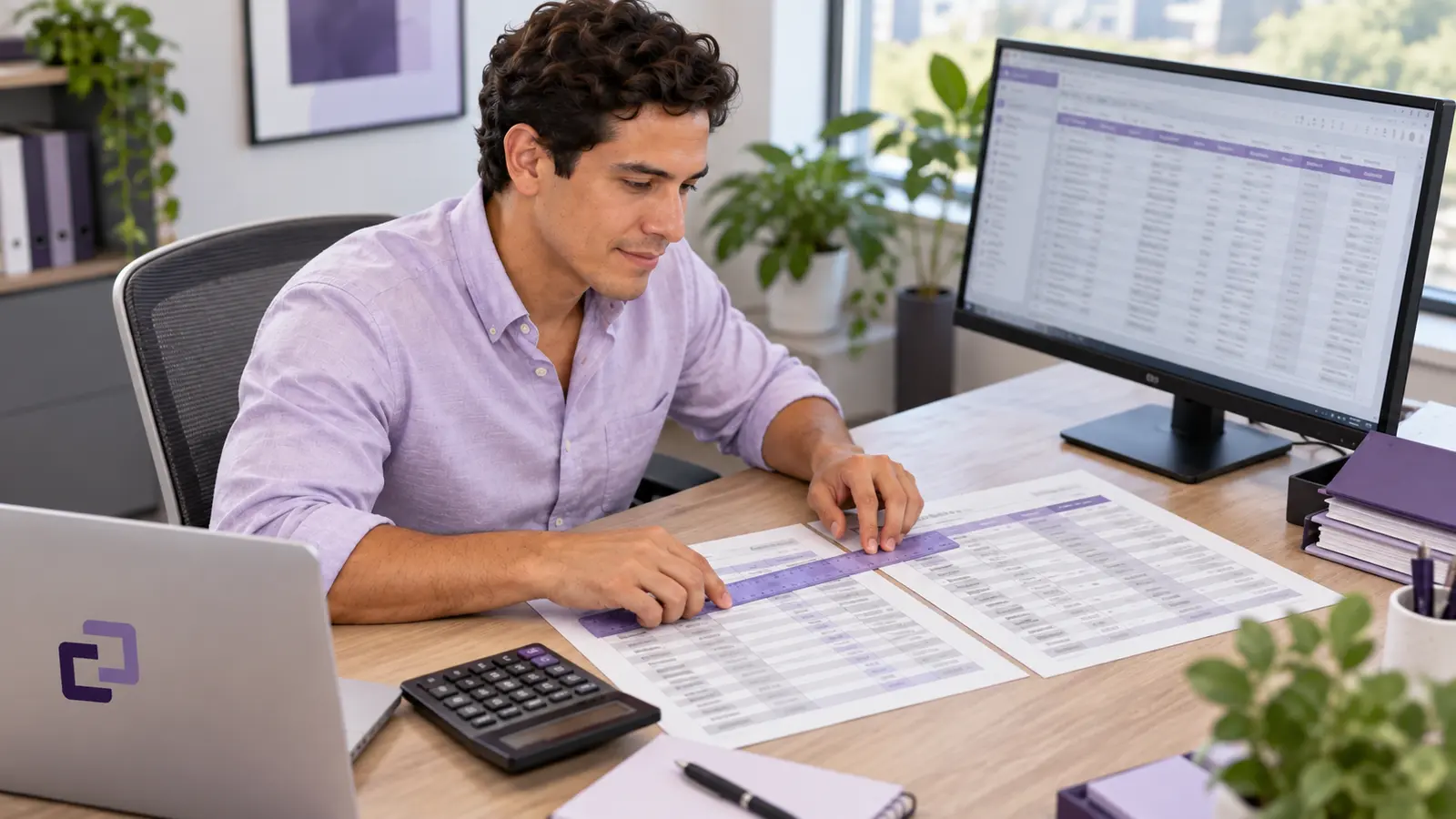




Before resuming work in a recovered Clio matter, compare the visible record with authorized reference evidence and identify what remains missing or uncertain. Give the administrator a technical exception list and the supervising attorney a separate decision about affected work. A matter appearing again is a starting point for review.
What does Clio say about recovering a deleted matter?
Clio’s current recovery guide warns that recovery can be partial. Documents and activities can remain in their main lists while matter associations, other content and portal access are removed. Deleted items remain in the Manage Recovery Bin for up to six months.
For matters converted from Grow to Manage, Clio says deletion in either product deletes the matter in the other; recovery through Manage restores the matter in both. This does not override the guide’s warning about lost information. The method below is our suggested review process, not vendor instructions or a recovery guarantee.
How do I define what needs checking?
Give the review an incident reference and identify the affected matter within the firm’s approved system. Record who reported the deletion, what recovery action the authorized operator reports taking, and when the current record was inspected. Keep an unknown time or action marked unknown instead of reconstructing it from memory.
Ask the supervising attorney which work is affected and whether any time-sensitive item needs immediate attention outside the recovery review. An assistant can prepare that question, but should not decide that a filing, client communication or other obligation can wait. Keep the scope on this incident; unrelated cleanup makes the comparison harder to explain.
What evidence can I compare with the recovered record?
Use reference material the firm has authorized you to access, such as an earlier matter inventory, approved document list or existing internal record. Identify its source, date and limits. A list from last month may help establish that a document existed then without showing everything added afterward.
Separate the reference from the current observation. Record where each item was seen and whether its relationship to this matter was actually checked. A familiar filename alone does not establish the correct version, attachment or association. Preserve the reference material and keep working notes separately.
If there is no reliable earlier inventory, say so. Do not describe a matter as complete simply because no comparison evidence identifies a gap.
How should I report present, not-found and unverified items?
Use consistent labels in a short review brief. The following distinctions describe observations, not an instruction to recreate records or reconnect them yourself.
| Status | What the note should establish | Next owner |
|---|---|---|
| Present | Where the item was observed and which expected details or association were checked. | Reviewer confirms the evidence meets the assigned scope. |
| Not found in checked locations | The reference, locations checked and observed gap. This is not proof of permanent loss. | Administrator investigates or contacts support. |
| Unverified | The evidence or authorized access needed to reach a conclusion. | Assigned owner resolves the specific uncertainty. |
Avoid one green checkmark for the whole matter. A document may be present while its expected connection remains unverified. Include the affected work and a named internal owner for each unresolved point, using only the firm’s approved confidential record.
Who decides whether my team can resume work?
The administrator or designated technical owner should address the recovery and configuration questions within their authority. They may need vendor support. Send precise observations and relevant internal references through the approved support process, sharing only what that process permits.
The supervising attorney decides what the identified gaps mean for the legal work and what may proceed. Technical recovery and permission to resume are separate decisions. Record any limited authorization accurately, including the work still held for review. Do not turn approval of one document into approval of the entire matter.
If the record changes during the review, identify which observations need checking again. Keep unresolved items open with an owner rather than closing the incident because a summary looks tidy. Additional deletion, recreation or reassociation should require separate authorization; this review does not grant it.
What skills should I look for in a legal assistant?
Relevant legal or paralegal education can support careful reading and an understanding of attorney-directed work. Look for clear writing, source comparison and training on the firm’s actual platform. Verify the proposed individual’s background and demonstrated skills; a degree title alone does not establish Clio competence or U.S. attorney licensure.
Use a fictional work sample: provide an earlier inventory, a mock recovered record and one item with an uncertain association. Ask the candidate to distinguish observations from assumptions and explain what belongs with the administrator versus the attorney. Assess the reasoning and exception note, not just the number of checked boxes.
The ABA’s paralegal definition links education, training or experience with delegated work for which a lawyer is responsible. Its Model Rule 5.3 commentary addresses nonlawyer supervision. Jurisdictional rules differ. This article provides operational information, not legal advice.
Remote Legal Team LLC can discuss remote paralegal support for a defined assignment. Review education and role fit alongside the work sample and your firm’s supervision requirements.
Frequently asked questions
Does recovering a Clio matter prove all its information is restored?
No. Clio warns that recovery may be partial. Compare the recovered record with authorized evidence and report observed gaps and unverified items before the responsible people decide what work can resume.
What if I cannot find an earlier matter inventory?
Record that limitation. Use other authorized reference evidence where available, identify its date and scope, and leave unsupported completeness claims unresolved for the assigned reviewer.
Can my legal assistant decide that the recovered matter is ready for legal work?
The assistant can prepare the comparison and exception brief. The technical owner addresses recovery questions, and the supervising attorney decides what the gaps mean for the legal work and what may proceed.
Should I test recovery-review skills using a real client file?
Use fictional records for the hiring exercise described here. Assess accurate source comparison, treatment of uncertainty and clear escalation without exposing confidential client information.
Sources
- Clio: Delete and Recover Matters in Clio Manage. Updated August 23, 2026. Current first-party guidance checked October 5, 2026, Eastern time.
- ABA Model Rule 5.3 commentary. Current official page checked October 5, 2026. No visible update date; local rules vary.
- ABA definition of paralegal. Current official page checked October 5, 2026. Definition context only.